Feng Shui in modern home design isn’t just about moving furniture “until it looks nice”. It’s a way of arranging your home so it’s easier to rest, focus, and feel good every day. Imagine your home were like a river: if the water flows cleanly and without obstacles, everything feels clear and calm; if something blocks that river, dirt, noise, and tiredness build up.
What Feng Shui is and why it matters in a modern home
Feng Shui is a Chinese philosophy that explores how your space affects how you feel. It doesn’t have to be mystical or complicated: it’s based on very simple things like light, order, shapes, materials, and colours.
In a modern home—where we often have little time and lots of screens—these details become even more important. We spend many hours indoors, and if your home is poorly organised, you’ll notice it in your mood, your sleep, and even your productivity. The aim isn’t to fill your house with “Oriental” objects, but to make each room “work for you” rather than against you.
Applying Feng Shui principles without making it complicated
Applying Feng Shui principles doesn’t mean following a hundred strict rules. Think of it more as a set of simple ideas you can adapt to your style. What matters is that your home is practical, comfortable, and aligned with you.
The first principle is being able to move around easily. If you have to dodge furniture, cables, and boxes just to reach the sofa, your mind feels that same “chaos” too. The second principle is that what you see every day shapes how you think: if you look at clutter, your head fills with noise; if you see a clean, clear space, it becomes easier to focus and rest.
The entrance: where energy comes in
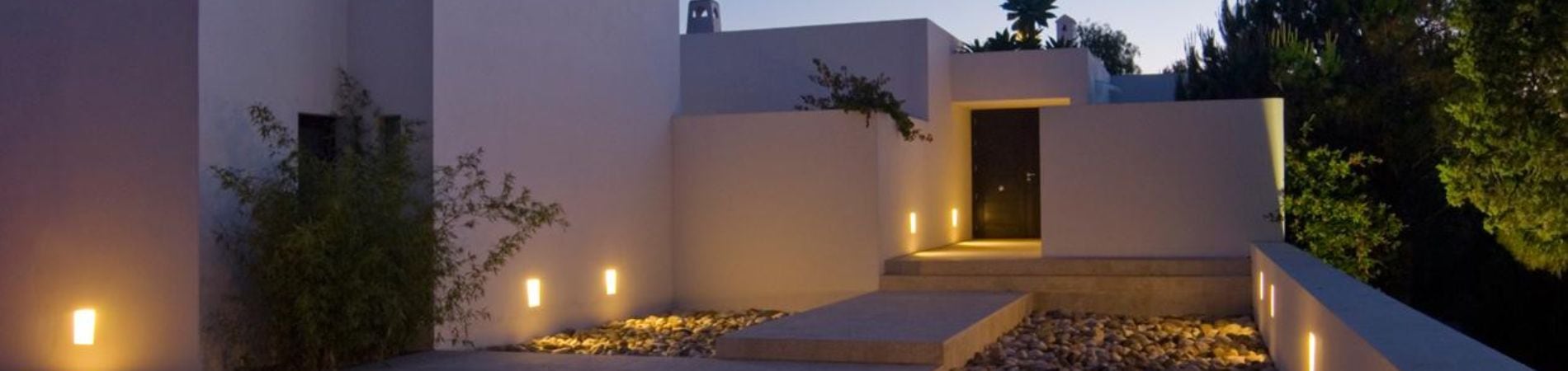
The entrance is like the mouth of your home. If it’s blocked, energy struggles to enter. Ideally, when you open the door you should see a clear, tidy space that’s easy to walk through. Avoid piling up shoes, coats, and bags right in front. A simple piece of furniture, a mirror that doesn’t reflect the door directly, and good lighting help the space feel welcoming and safe.
In modern homes, where the front door sometimes opens straight into the living room, you can define the entrance with a subtle rug or a plant nearby, so you feel that transition from “outside to inside” without overcrowding the space.
Living room: connect and unwind
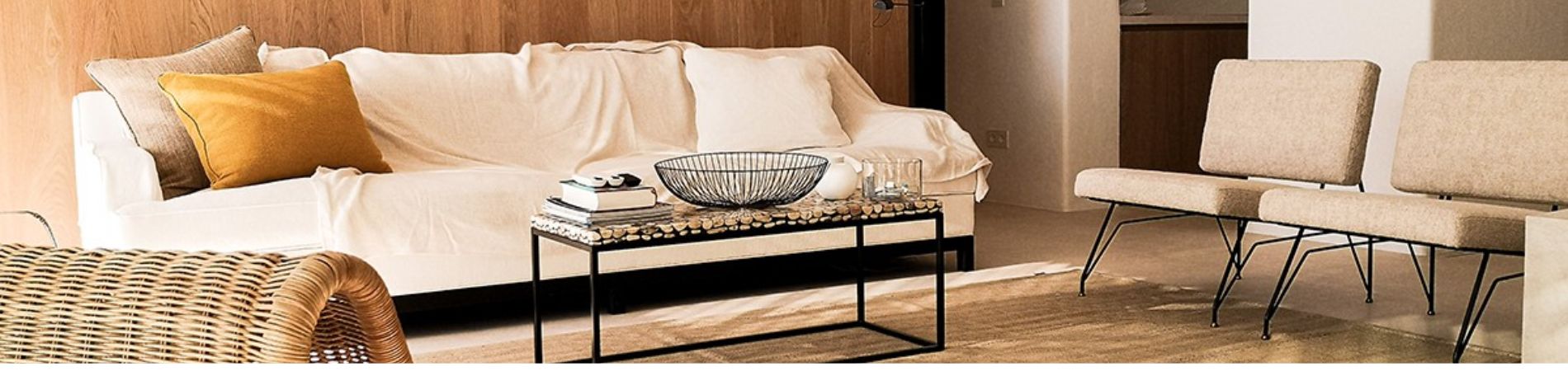
The living room is the social hub. Here, Feng Shui in home design suggests placing the sofa so that, once you’re in the room, you can see the door—without sitting directly opposite it. This creates a sense of control and calm. If the sofa has its back to the door, your body can tense up without you realising.
Make sure walkways are comfortable, without having to squeeze around tables or chairs. Natural light is very important: light curtains and fewer objects around windows help brightness spread throughout the room. The television shouldn’t dominate everything; if possible, balance it with artwork or shelving so the focus isn’t only the screen.
Bedroom: the heart of rest
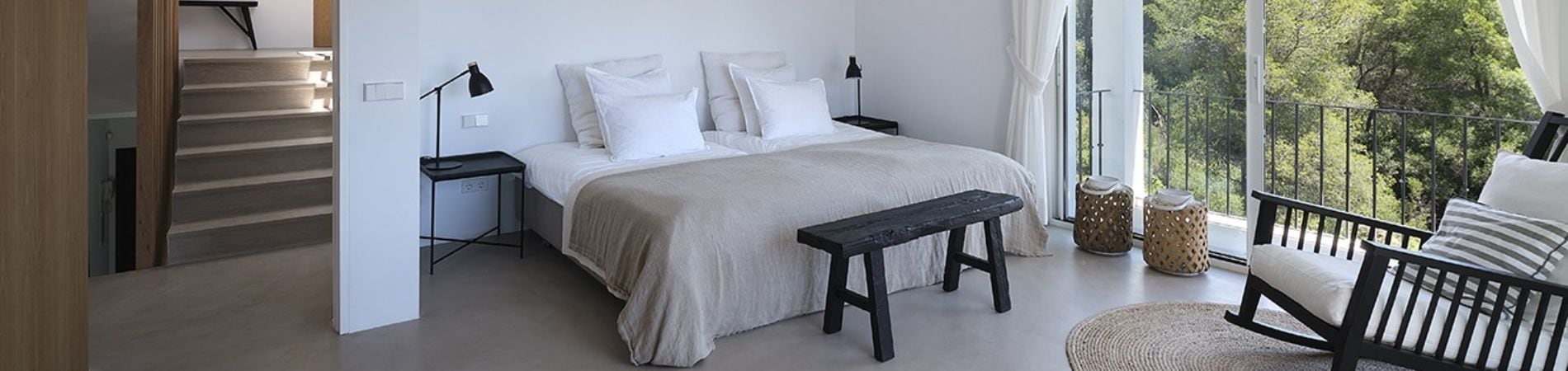
The bedroom is the most energetically sensitive space, because it’s where you sleep and recharge. Applying Feng Shui principles, the bed should have a solid headboard and a sturdy wall behind it. Ideally, you should be able to see the door from the bed, but the bed shouldn’t be directly aligned with it. This creates a feeling of safety.
It’s best not to store things under the bed, especially heavy, packed boxes; they can feel like a weight. Fewer electronic devices on display also helps: your phone, tablet, and laptop can stay out of the room—or at least away from the bedside table. Soft colours and minimal décor create a calm atmosphere, perfect for sleep.
Kitchen and bathrooms: protect and cleanse the energy
The kitchen represents nourishment. Keeping it tidy, clean, and well lit is a key part of Feng Shui in home design. Whenever you can, keep the main worktop clear. That way you have space to cook and a sense that there’s “room” in your life.
In bathrooms, the aim is to stop energy from “draining away”. A simple habit is to lower the toilet lid and keep the door closed. Towels in good condition, a clean mirror, and a natural touch—like a small plant—help the bathroom feel more alive and not just a space you pass through.
Your home as an ally for your wellbeing
Applying Feng Shui in modern home design isn’t about following complicated rules, but about listening to how each space makes you feel and making small, intentional changes. Every choice you make—where you place a sofa, what you leave in view, what you store away, what light comes in—is influencing your calm, your rest, and your daily energy, even if you don’t always notice it.
If this content has helped you see your home differently, I invite you to keep learning and taking simple steps. Explore other articles on the website to discover more practical ideas you can apply room by room. And if you want to take your home to the next level and you’re not sure where to start, get in touch with Alejandro Gimenez Architects and begin designing a modern home that truly supports your wellbeing.