An Evolving Architectural Legacy
The revival of Mediterranean architecture: trends and sustainable materials is redefining home design in the region. For centuries, this architectural style has masterfully combined beauty, functionality, and adaptability to the environment. In recent years, however, it has evolved to integrate cutting-edge technologies and sustainable materials without losing its essence.
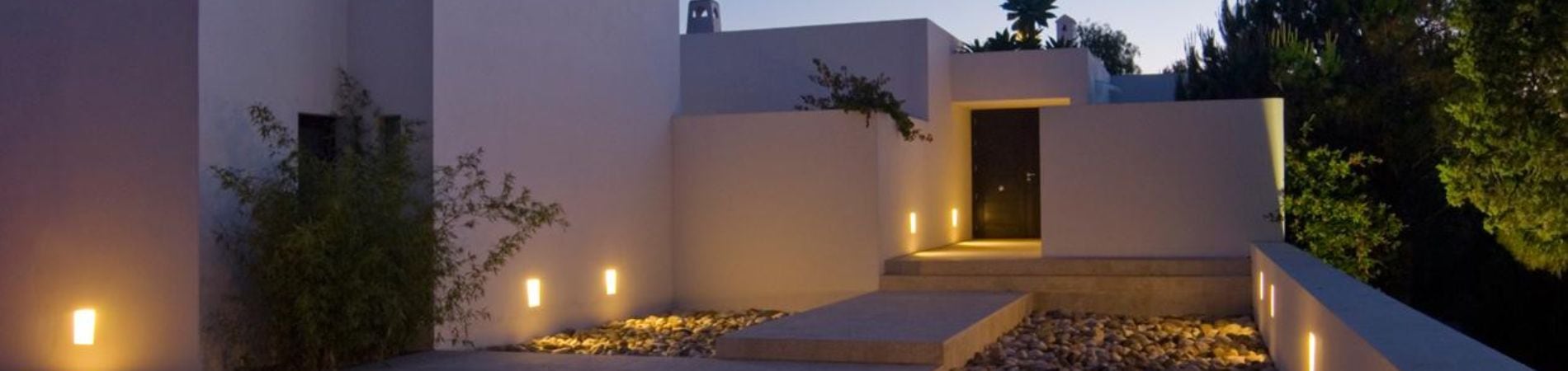
Mediterranean architecture is characterised by its white façades, inner courtyards, use of natural materials, and a harmonious relationship with its surroundings. Now, with the rise of sustainability and energy efficiency, this tradition is being reimagined to address modern challenges while remaining true to its roots.
Mediterranean Architecture: Key Contemporary Elements
1. Integration with the Environment
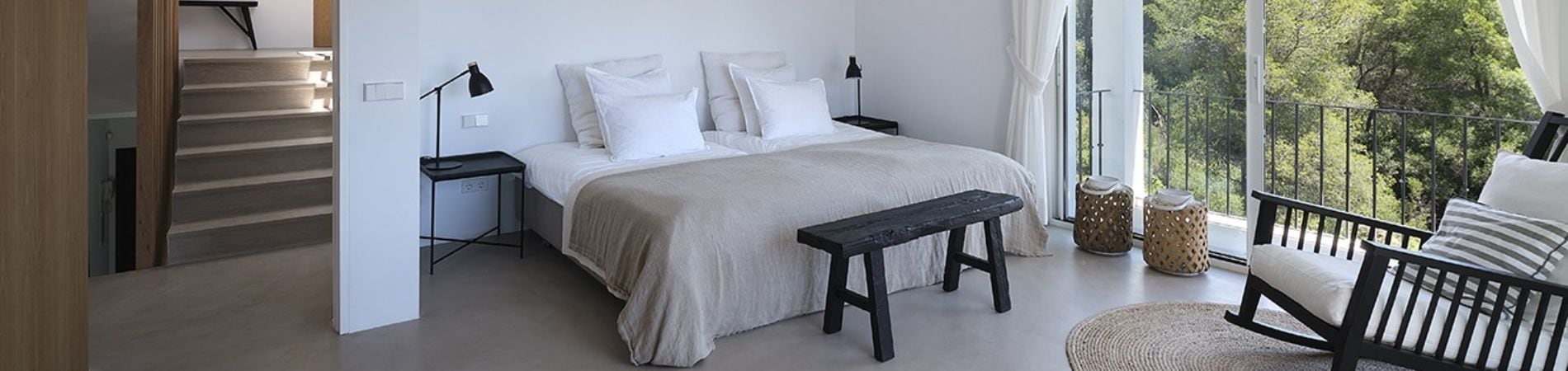
One of the fundamental principles of Mediterranean architecture is its seamless integration with nature. Today, this concept has been reinforced through designs that maximise natural light, promote cross-ventilation, and reduce the environmental footprint of buildings.
2. Use of Local and Sustainable Materials
The use of natural materials not only provides buildings with a unique identity but also reduces the carbon footprint associated with transportation. Some of the most commonly used materials include:
- Limestone and sandstone: Used for walls and flooring.
- Sustainably sourced wood: Incorporated in beams and carpentry.
- Clay and ceramics: Used for coatings and flooring.
- Lime and clay mortar: For traditional and eco-friendly plastering.
3. Energy Efficiency and Passive Technologies
Modern Mediterranean-inspired homes prioritise thermal comfort without excessive reliance on artificial climate control systems. Some of the key strategies include:
- Thick walls and white façades to reflect sunlight and reduce heat absorption.
- Interior courtyards and lattice screens to enhance ventilation and thermal regulation.
- Green roofs and vertical gardens to improve insulation.
4. Open and Functional Spaces
The design of open, multifunctional spaces creates a seamless connection between indoor and outdoor areas. Expansive terraces, porches, and pools integrated into the landscape are characteristic features that cater to contemporary demands for comfort and well-being.
Current Trends in Mediterranean Architecture
Minimalism with Traditional Roots
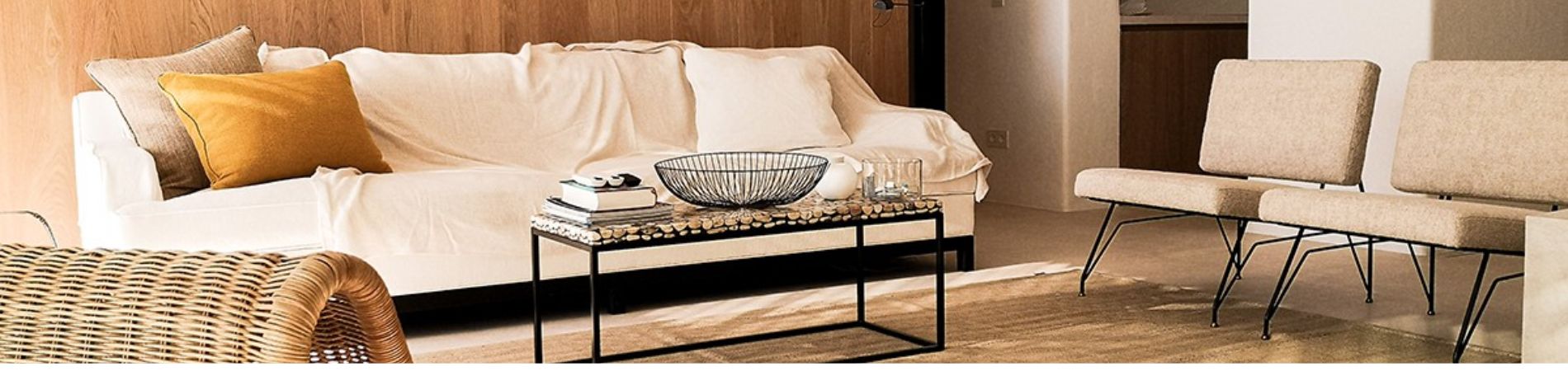
Minimalism has merged with Mediterranean tradition, giving rise to simple yet sophisticated designs where light, texture, and natural materials take centre stage. This approach fosters the creation of open and functional spaces where every architectural element is harmoniously integrated into the environment, enhancing the sense of spaciousness and well-being.
Bioclimatic Design and Self-Sufficiency
Bioclimatic architecture, which optimises the use of natural resources to reduce energy consumption, is gaining prominence. Solar collection systems, water recycling, and natural insulation are revolutionising the way Mediterranean homes are conceived.
Revival of Traditional Craftsmanship
The rise of sustainability has led to the revival of traditional construction techniques, such as rammed earth, stone masonry, and lime plastering. These materials, aside from being eco-friendly, offer high aesthetic value and significantly contribute to the energy efficiency of buildings.
The Future of Mediterranean Architecture
The revival of Mediterranean architecture: trends and sustainable materials is shaping the way we envision living spaces. The combination of eco-friendly materials, passive technologies, and designs that blend harmoniously with the environment ensures that this architectural tradition continues to evolve without losing its essence.
Sustainability is not a passing trend but a necessity. Embracing a renewed Mediterranean architectural approach means investing in a future that is more balanced, efficient, and aesthetically beautiful.
Alejandro Giménez Architects: Innovation and Tradition in Mediterranean Architecture
At our studio, Alejandro Giménez Architects, we are a leading firm in the reinterpretation of Mediterranean architecture across the Costa del Sol. Our projects seamlessly blend sustainable materials with cutting-edge design, always respecting the essence of the region.
With over 20 years of experience, we have developed projects in exclusive residential areas such as Sotogrande, La Zagaleta, and Marbella, standing out for our team’s ability to harmonise tradition and modernity.
We strive to capture the essence of the Mediterranean, incorporating elements such as interior courtyards, interplay of light, and natural textures that create serene and inviting atmospheres.
“We believe in architecture with roots, an architecture connected to its place, where Andalusian tradition harmonises with modernity while preserving its soul.”