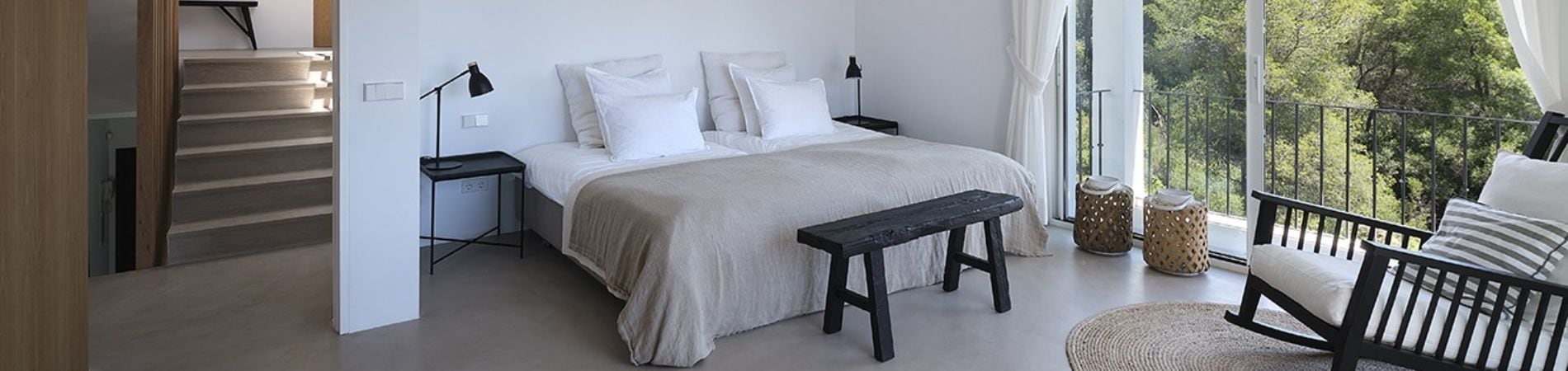
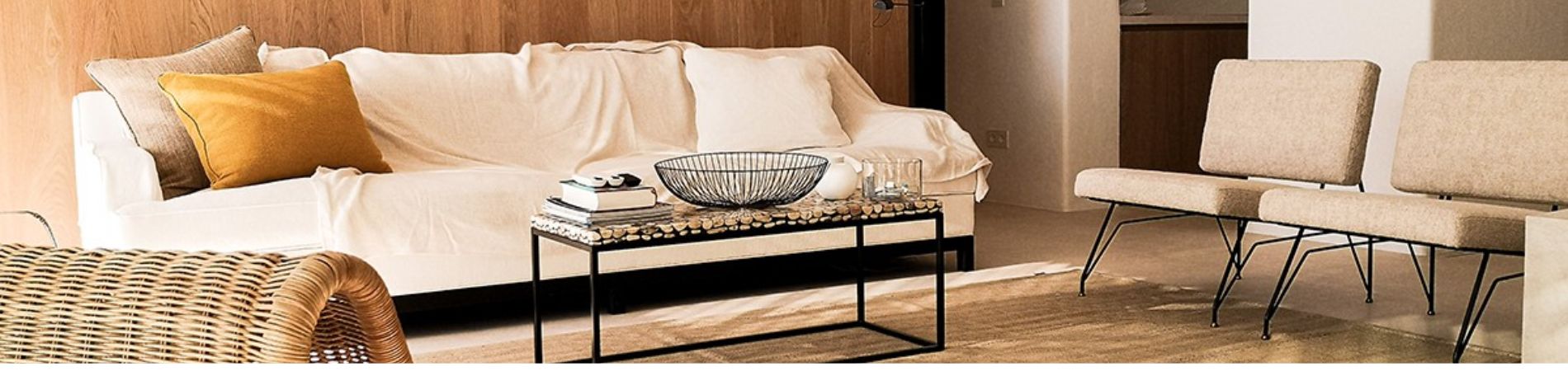
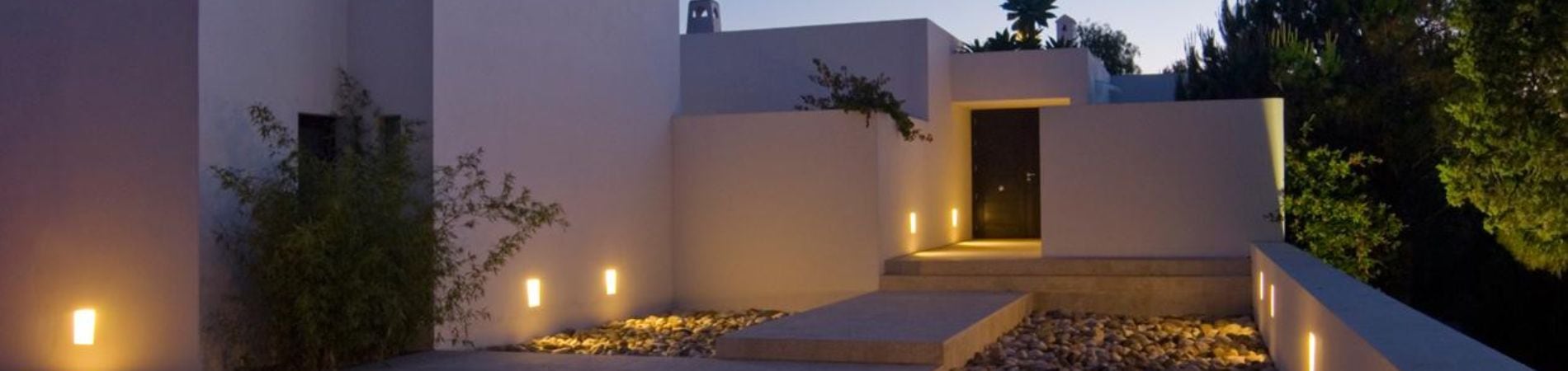
Passive design is an architectural philosophy that optimises a home’s energy consumption by harnessing the natural resources of its surroundings. Through strategies such as solar orientation, natural ventilation, and the use of sustainable materials, it is possible to reduce energy consumption without compromising comfort. In the realm of exclusive homes, passive design not only enhances efficiency and well-being but also represents a long-term investment, increasing the property’s value.
In this article, we take an in-depth look at how passive design in architecture is revolutionising the high-end property sector and why it is a smart choice for those seeking sustainable, efficient, and harmonious homes.
What Is Passive Design and Why Is It Key in Modern Architecture?
Passive design in architecture involves applying principles that regulate a home’s internal temperature without relying on mechanical systems such as air conditioning or heating. Instead of depending on electrical appliances, this approach maximises the use of natural light, thermal insulation, and efficient ventilation to create spaces that maintain a pleasant temperature throughout the year.
Unlike traditional constructions, where energy consumption can fluctuate drastically depending on the seasons, a passive home significantly reduces energy demand, promoting a more sustainable and environmentally friendly lifestyle.
Key Benefits of Energy-Efficient Architecture in Exclusive Homes"
1. Energy Savings and Cost Reduction
2. Superior Thermal Comfort All Year Round
Passive design in architecture ensures that the home maintains a stable temperature in all seasons. During summer, the structure prevents overheating through elements such as eaves, bioclimatic shutters, and solar control glazing. In winter, heat is better retained inside the house thanks to materials with high thermal inertia and excellent insulation in walls, ceilings, and floors.
This thermal balance enhances residents’ quality of life by eliminating sudden temperature fluctuations and reducing dependence on artificial climate control systems.
3. Integration with the Surroundings and Timeless Aesthetic Design
4. Improved Indoor Air Quality and Well-being for Residents
5. Increased Property Value and Market Appeal
6. Reduced Ecological Footprint and Commitment to Sustainability
Essential Elements of Passive Design in Architecture
To achieve the benefits mentioned above, a passive home must incorporate the following key elements:
1. Strategic Orientation of the Home
Proper positioning of the house on the plot maximises sunlight exposure and optimises heat intake during winter. In warm climates, solar protection elements such as pergolas and eaves are added to prevent overheating.
2. High-Performance Thermal Insulation
An effective insulation system in walls, roofs, and floors is crucial for maintaining indoor temperature. Materials such as wood fibre, cork, or rock wool enhance energy efficiency without compromising the home’s aesthetics.
3. Efficient Windows and Glazing
Windows play a fundamental role in thermal regulation. Choosing double or triple glazing with low emissivity helps reduce heat loss in winter while blocking excess solar radiation in summer.
4. Natural Ventilation and Passive Cooling Strategies
Cross-ventilation systems allow continuous air renewal, eliminating the need for air conditioning. Additionally, solutions such as interior courtyards and ventilated roofs facilitate natural cooling of indoor spaces.
5. Use of Renewable Energy
Integrating photovoltaic solar panels and geothermal energy systems complements passive design strategies, further reducing the home’s carbon footprint.

Passive Design: The Future of Exclusive Architecture
Passive design in architecture represents the natural evolution of luxury home construction. Not only does it provide a more efficient and comfortable living space, but it also aligns with global sustainability and well-being trends. At Alejandro Giménez Architects, we apply these principles in each of our projects, creating exclusive spaces where energy efficiency and timeless design merge seamlessly.
If you are looking for a home that combines elegance, comfort, and responsible energy consumption, passive design is the key to achieving it. Choosing sustainable architecture is not only a smart investment but also a commitment to the future of our planet.