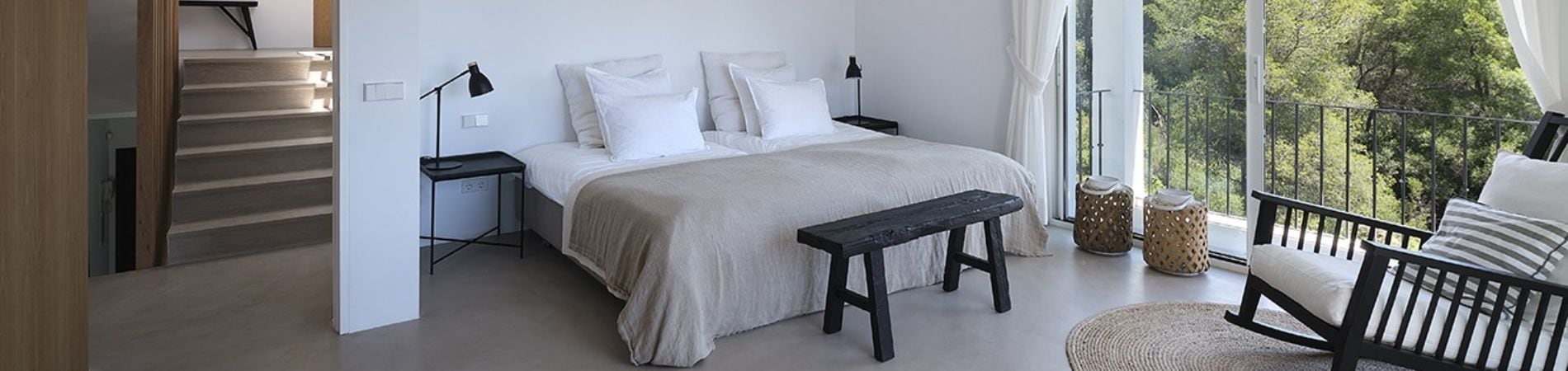
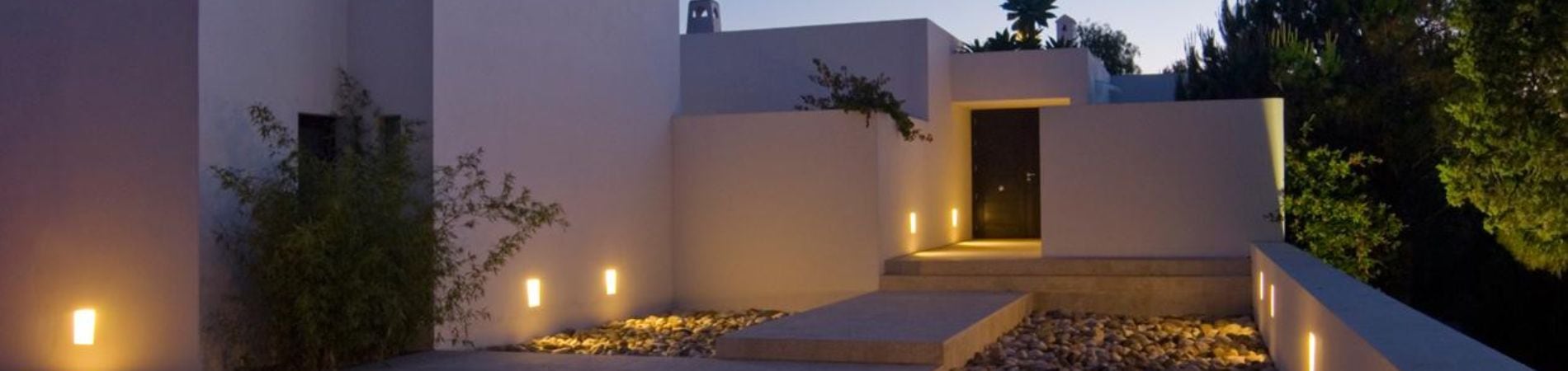
Boutique hotels have evolved from an exclusive niche to a global trend in experiential architecture. Designed to offer unique and personalised experiences, they are redefining the concept of hospitality. But what makes these spaces so special?
The Essence of Boutique Hotels
Key Features
- Exclusive Design: Every detail is carefully considered to create a sense of harmony and sophistication.
- Prime Locations: Many are housed in historic buildings, in the heart of cities, or surrounded by breathtaking natural landscapes.
- Personalised Experience: From service to décor, everything is tailored to provide guests with an exclusive stay.
- Use of Local and Sustainable Materials: Architecture aligns with tradition while respecting the environment.
Boutique hotels are not just places to stay; they are spaces where architecture, design, and user experience converge. Defined by their exclusivity, customised design, and strategic locations, boutique hotels differ from traditional hotel chains in that each one has a unique identity, inspired by its surroundings and the story it seeks to tell.

Experiential Architecture in Boutique Hotels
Experiential architecture aims to evoke emotions through design. In boutique hotels, this translates into spaces that tell stories and stimulate the senses. Water, light, and natural materials play a key role in creating warm and memorable environments.
The Role of Design in the Guest Experience
- Integration with the Surroundings: Designs inspired by local architecture and the surrounding nature.
- Strategic Use of Light: Warm, natural lighting that enhances a sense of well-being.
- Materials that Convey Sensations: Wood, stone, and clay evoke warmth and authenticity.
- Multifunctional Spaces: Designs that adapt to different activities, from relaxation to networking.
Sustainability and Technology in Boutique Hotels
Luxury is no longer just about wealth—it is now about sustainability and intelligent comfort. Boutique hotel architecture integrates smart home technology and renewable energy while preserving its artisanal essence.
Key Sustainable Features
- Solar energy and low-consumption systems.
- Recycled and sustainably sourced materials.
- Bioclimatic designs that reduce environmental impact.
- Waste reduction and efficient resource use.

Boutique Inspiration: Dreamlike Architecture on the Costa del Sol
On the Costa del Sol, the fusion of tradition and modernity has given rise to some of Spain’s most stunning boutique hotels. Designs inspired by Andalusian architecture—featuring interior courtyards, fountains, and natural materials—create spaces that offer both tranquillity and beauty in equal measure.
At Alejandro Giménez Architects, we believe that architecture rooted in tradition is the key to contemporary design. Our projects in Marbella, Estepona, and Sotogrande focus on merging Mediterranean architecture with modern concepts of well-being and sustainable luxury.
Boutique Hotels: The Future of Well-being and Exclusivity
Boutique hotels are redefining the way we experience hospitality. Their commitment to experiential architecture, personalisation, and sustainability makes them spaces where every stay becomes an unforgettable experience.
If you are interested in learning more about architectural design with soul, at Alejandro Giménez Architects, we create spaces that blend tradition, modernity, and well-being.
Our dedication to ever-evolving design has enabled us to develop unique projects on the Costa del Sol, where every material and every play of light is meticulously planned to provide an exceptional experience.