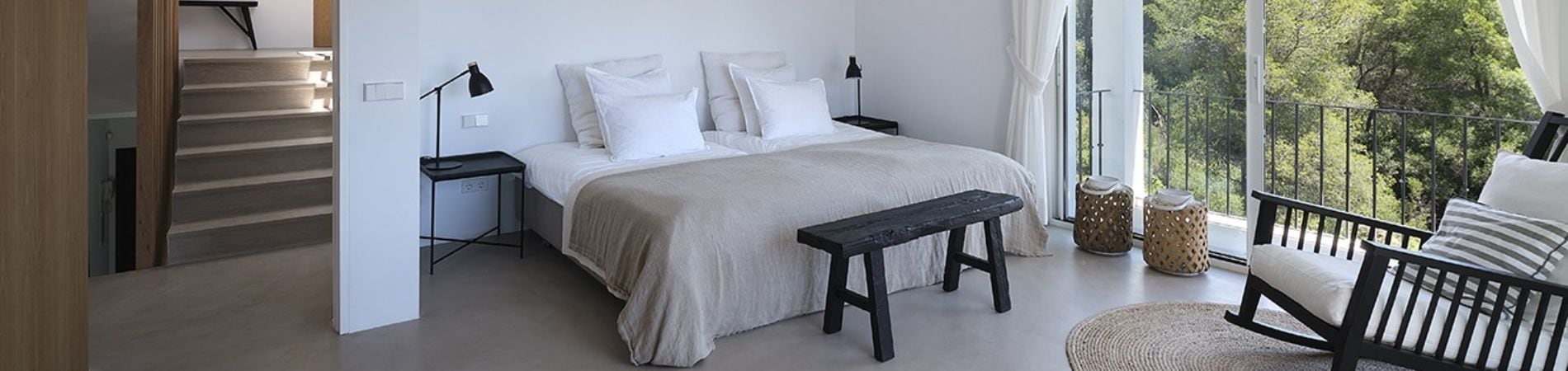
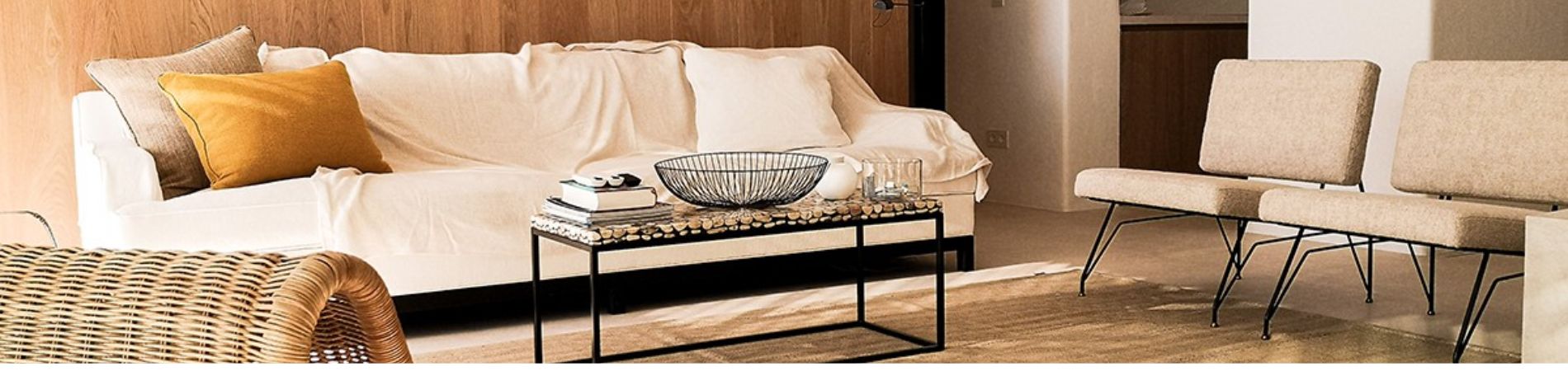
In recent years, minimalism has evolved beyond pristine white and rigid straight lines. Today, those seeking a cosy home discover that earth tones and natural textures create warm minimalism. Consequently, this trend not only transforms spaces into comfortable retreats but also responds to a growing desire to live in sustainable and harmonious environments.
Why earth tones work in warm minimalism
Earth tones encompass a palette ranging from soft beiges to deep browns, including ochres and terracottas. Unlike cool tones, these colours create a sense of warmth and intimacy, making any minimalist space feel more human and inviting.
In fact, a key point is that earth tones do not compete with the design elements; they complement them. For instance, a clay-coloured sofa or a sandy beige wall provides a neutral backdrop that highlights the beauty of wooden furniture, plants, and natural textiles. Consequently, this visual harmony forms the foundation for minimalism that never feels cold or impersonal.
Incorporating natural textures
While earth tones set the emotional backdrop, natural textures add depth and sensory richness. Materials such as wood, stone, linen, and rattan create tactile and visual contrasts that break the monotony of minimalist spaces. For example:
- Untreated wood: provides warmth and a connection to nature, ideal for floors, shelving, or bespoke furniture.
- Linen and cotton: used in curtains, cushions, and bedding, they soften the space and enhance the feeling of comfort.
- Natural stone: whether in cladding or countertops, it adds solidity and understated elegance.
- Rattan and plant fibres: perfect for lamps or chairs, they bring lightness and texture without overwhelming the visual harmony.
By combining these textures, every corner of the home invites touch and contemplation, creating a balanced environment where minimalism does not feel cold.
How to achieve a balance between minimalism and warmth
Applying warm minimalism with earth tones and natural textures requires a balance between simplicity and detail. To achieve this, it is essential to prioritise quality over quantity, selecting pieces of furniture with timeless design and natural materials. In this way, the saturation of decorative items that could disrupt the harmony of the space is avoided.
Furthermore, layering textures adds depth and comfort. For example, strategically combining wool rugs, linen cushions, and wooden furniture creates a cosy effect without compromising the visual clarity of minimalism. In this manner, texture becomes an ally, inviting contemplation and a sense of well-being in every corner.
Lighting also plays a decisive role. In particular, warm light directly influences the perception of earth tones, enhancing the feeling of comfort. Moreover, it makes spaces feel more intimate and inviting. Therefore, well-placed lamps can completely transform the atmosphere of a room, highlighting natural textures and warm tones.
Finally, maintaining open and fluid spaces helps colours and textures to be perceived uniformly. Avoiding unnecessary visual divisions reinforces the sense of spaciousness and tranquillity. As a result, warm minimalism is experienced fully and harmoniously throughout the home.
Inspiration from Contemporary Architecture
The interiors are defined by their brightness, allowing the earth tones of the walls and textiles to interact naturally with the organic materials present, such as wood, stone, and plant fibres. In this way, each element is carefully selected to preserve the minimalist essence without losing the sense of comfort and intimacy that distinguishes warm minimalism.
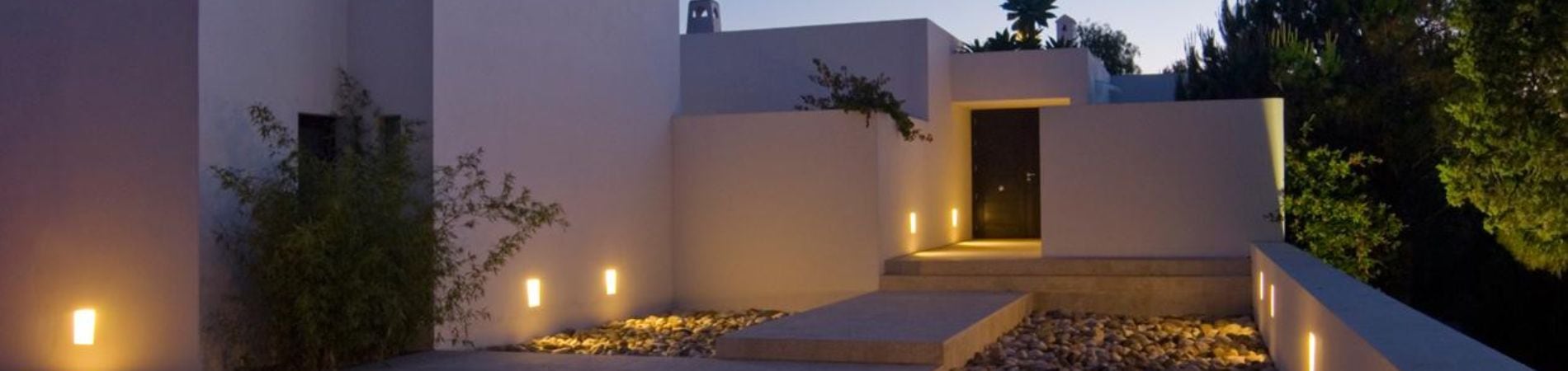
A masterful example of this philosophy can be found in our Villa Zamboanga project, where the architecture merges with its surroundings through the use of noble materials and a colour palette that breathes calm. In this design, stone and natural light act as guiding threads, demonstrating that true sophistication lies in the simplicity of natural elements.
The key to these projects is that every material and colour serves both an aesthetic and a functional purpose, creating spaces that are at once sophisticated and welcoming. Attention to detail and harmony between tones and textures create a home where luxury and warmth coexist in balance, inviting those who live there to enjoy a serene and refined atmosphere.
Benefits of warm minimalism in everyday life
Living in a space dominated by earth tones and natural textures offers benefits that go beyond aesthetics. Some of these advantages include:
- Stress reduction: warm tones and the natural quality of materials create a relaxing environment that supports mental well-being.
Sense of order and spaciousness: structured minimalism helps keep the home organised and visually uncluttered. - Connection with nature: incorporating natural materials fosters a subtle link with the outdoors, enhancing the perception of balance and calm.
- Durability and sustainability: by choosing high-quality natural materials, spaces remain visually appealing for longer, while minimising environmental impact
Your home: a source of calm and harmony
Creating a home with warm minimalism is not about following strict rules, but about paying attention to how each space makes you feel and making conscious decisions. Every choice you make—from the colours you select for the walls to the materials and textures you leave on display—affects your comfort, your sense of calm, and the overall feeling of harmony in your daily life, even if you do not notice it straight away.
If this content has inspired you to see your home from a new perspective, I encourage you to keep exploring and applying simple changes. Browse other articles on the website to discover practical ideas you can implement room by room, creating a more welcoming and balanced home.
And if you want to take your home to the next level, combining modern design with warm minimalism that genuinely enhances your well-being, get in touch with Alejandro Giménez Architects and start transforming your space into a refuge of comfort and natural elegance.